

When you are constantly moving places, there is a lot happening - not only in your external environment but internally too. I know this from personal experience.
And therapy can be incredibly helpful to create a safe space for integration. I know this, again, from experience too.
Jump to the section you'd like to explore: Why therapy helps | Identity integration | Most common challenges | What's EFT tapping | A therapist who gets you | Try tapping: book a free session
The benefits of therapy for nomads
Mental health for digital nomads: Therapy for nomads creates a safe space and helps you enjoy a nomadic lifestyle in a grounded way
During a therapy session, everything around you can momentarily slow down. Instead of focusing outward - the next destination, the next plan, the next experience - you create space to look inward.
Your mind may bring thoughts to the surface.
Your body may communicate through sensations.
Both are valuable signals.

In a supportive and non-judgemental space, you can listen to them, process your experiences and integrate the changes happening within you. This helps create a sense of grounding, even while your lifestyle remains mobile.
Identity integration: evolving while staying connected to yourself
As we travel, we inevitably change. New environments influence us. New cultures broaden our perspective. New experiences reshape our beliefs and priorities.
In many ways, nomadic living accelerates personal evolution.
It’s completely possible to love this lifestyle - to feel excited and grateful for the opportunities it brings - and still occasionally feel uncertain, unsteady or confused about who you are becoming. That’s a very natural part of growth.
Therapy creates space to explore these shifts. Instead of pushing through them, you can understand them.
When you give these experiences a voice, they often become easier to integrate. Gradually, the different versions of yourself - past and present - start to feel more connected.
The result is a deeper sense of alignment, clarity and inner stability, even while your external environment keeps changing.
Common challenges therapy can help nomads navigate
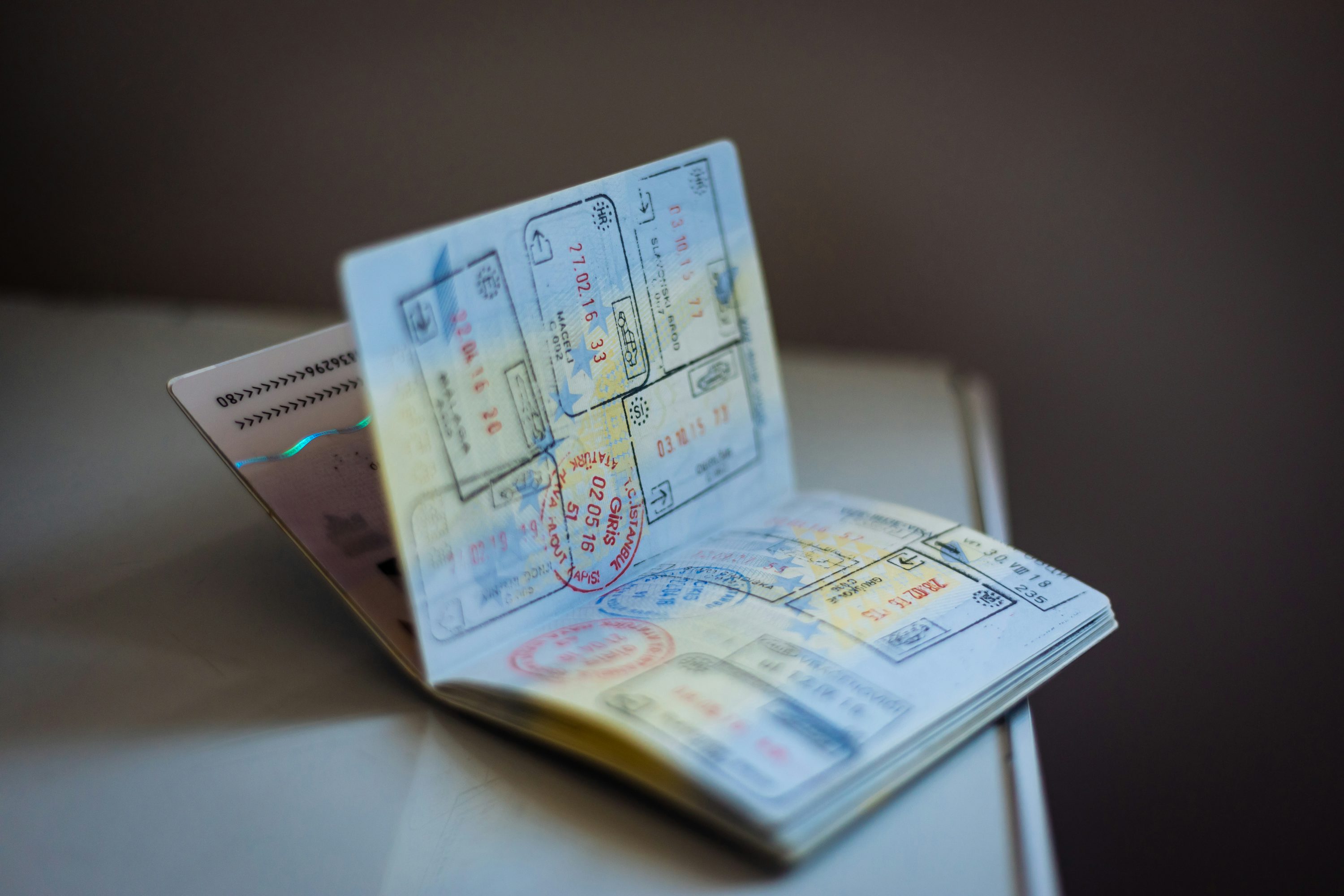
Nomadic life brings extraordinary freedom and opportunity. At the same time, it can also bring unique emotional challenges. Therapy can help you navigate these experiences in a supportive and empowering way.
- Identity shifts
- Detachment and constant change
- Decision fatigue
- Financial uncertainty
- Social connection and loneliness
Identify shifts
Detachment and constant change
Nomadic living naturally involves letting go.
We detach from possessions, from routines and often from people we meet along the way. Many nomads eventually realise how little we truly need to live well - something I personally discovered over time.
But that realisation doesn’t necessarily make the process effortless. Just like exercise benefits our health but still requires effort, emotional detachment can be healthy yet still require processing.
Meeting amazing people and then continuing the journey can bring mixed emotions - gratitude, excitement and sometimes sadness.
Therapy helps your nervous system process these emotions safely, allowing you to release emotional tension and move forward with more ease.
Decision fatigue
One of the most exciting aspects of a nomadic lifestyle is freedom of choice.
Where to go next? Where to stay? What to explore? Who to meet?
Yet constant choice can also become mentally demanding.
Without routines or familiar structures, decision-making becomes a daily activity. Especially if you are travelling solo, then all those decisions rest on your shoulders.
It’s completely normal to love the freedom of this lifestyle while occasionally feeling overwhelmed by the number of choices it requires.
Therapy provides space to acknowledge these feelings without judgement. By exploring them openly, the emotional weight of constant decision-making often reduces, allowing clarity and confidence to return.
Financial uncertainty
Living in different countries often means navigating new currencies, changing costs of living and fluctuating income streams.
Even when things are going well, it’s natural for financial concerns to arise.
Therapy can help explore the beliefs and emotions connected to money - including underlying stress, fear or limiting beliefs - helping you build a healthier and calmer relationship with financial uncertainty.
Social connection and loneliness
What is EFT tapping therapy and why it works well for nomads
EFT (Emotional Freedom Techniques) - often called tapping - is a form of therapy that combines cognitive and somatic approaches.
During an EFT session, we gently tap with our fingers on specific acupressure points on the hands and upper body while speaking about thoughts and emotions.
These points are based on the same meridian system used in acupuncture - which is why EFT tapping is sometimes described as acupuncture without needles.

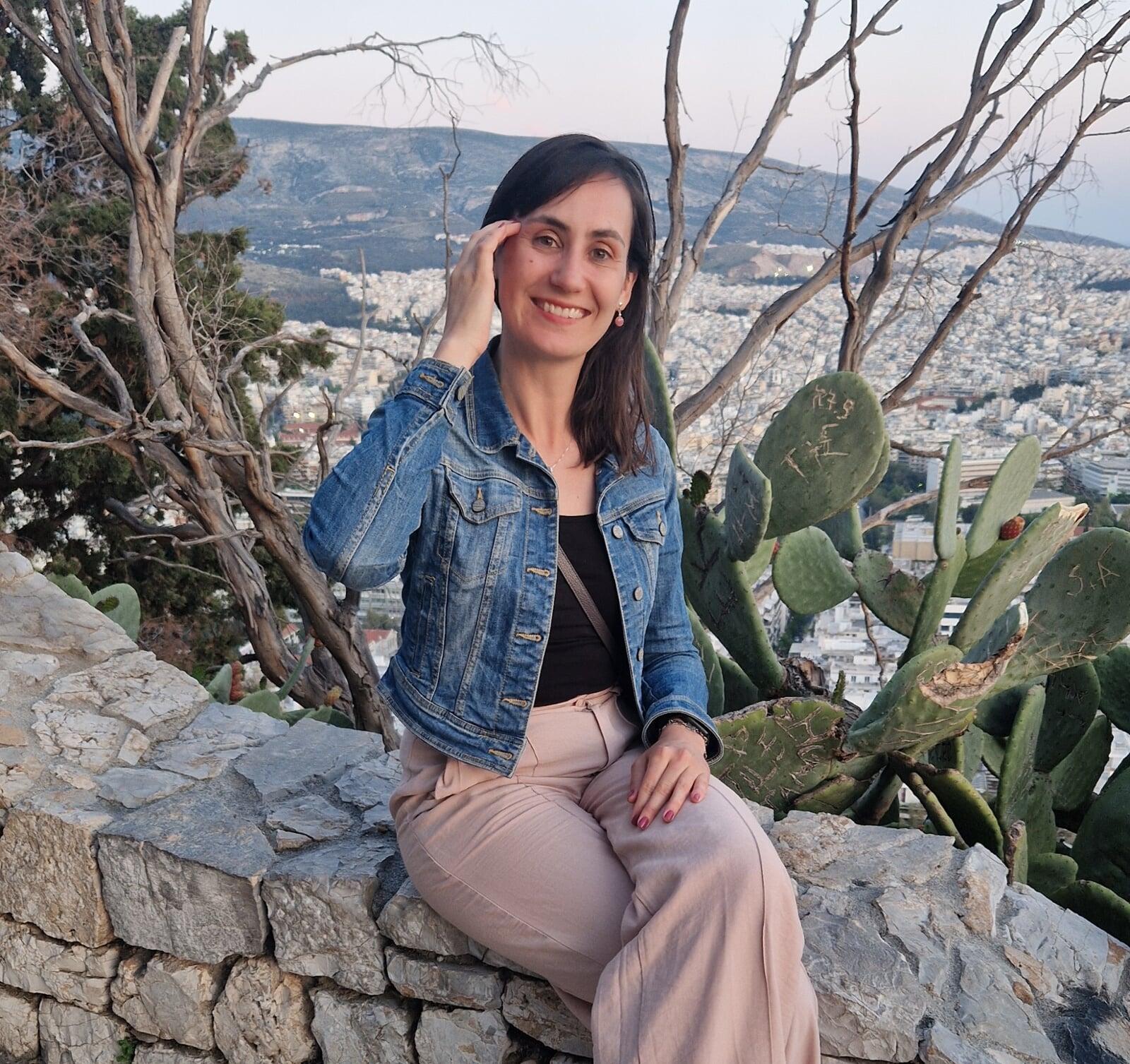
Hello, I'm Juliana. I discovered EFT tapping a few years ago and initially used it for my own emotional regulation, stress management and identity integration.
After experiencing the benefits personally, I decided to train professionally so I could help others access the same tools.
Today, I work with adults who live internationally or move frequently - including digital nomads, travellers and expats - helping them navigate both the beautiful and the challenging aspects of this lifestyle.
I get you - and am here to support you through your journey
I offer online one-to-one EFT tapping therapy sessions for nomads, travellers and expats, so you can join from anywhere in the world.