

Blog 14: Identity & Self-Definition

13.03.26 11:19 PM

Therapy creates space to integrate all versions of you in a coherent way

As we travel and live in different places, we naturally absorb what surrounds us - culture, society, language, and ways of living. Inevitably, we change. Sometimes that process feels natural and flowing. Other times it can feel fragmented or confusing. Both experiences are part of growth, and therapy can create space to integrate all the different versions of yourself in a safe and grounded way.

Identity & Self-Definition: making sense of who you are while living abroad

We are constantly recreating ourselves.

Biologically speaking, our cells are continuously renewing. But beyond that, mentally, emotionally and psychologically we are always adapting to what surrounds us. Every experience, conversation and environment shapes us in some way.

Living abroad or travelling frequently can accelerate this process.

New cultures, new people and new ways of thinking challenge our assumptions and expand our perspectives. Over time, we evolve.

Sometimes this transformation happens so naturally that we barely notice it. A friend might point out that we have changed, or that we see life differently now. Other times, the process feels more confusing.

You might feel divided between different versions of yourself - the person you were before moving abroad, the person you are now, and the person you feel you might be becoming.

This is especially common for expats, travellers and digital nomads, whose environments and influences change more frequently.
Therapy can help you explore these shifts and integrate them, so your identity feels coherent rather than fragmented.

​Making sense of who you are becoming

Identity naturally evolves as we move through life. But when you are living abroad or experiencing different cultures, those shifts can happen faster.
Sometimes life moves quicker than our inner world can process.

A fast-paced lifestyle is not a problem in itself - many people love it. But your mind still needs moments to pause and make sense of what is happening.

You might find yourself asking questions like:

  • Who am I becoming?
  • Do I still identify with my previous life?
  • What parts of myself do I want to keep or change?
These questions are not signs of instability - they are signs of growth.

Therapy provides a space where you can slow down and reflect on these internal changes. When your thoughts and emotions are voiced and explored, they often become easier to integrate.

​Reinventing yourself abroad

Living abroad often creates opportunities to reinvent yourself.

New environments allow you to explore different aspects of your personality. You might develop new habits, interests or ways of thinking that were not present before.

Sometimes these changes are encouraged by the environment around you - adapting to a different culture, language or social norm.
Other times the motivation comes from within. You might feel an internal urge to grow into a new version of yourself. Yet at the same time, changing can feel uncomfortable or uncertain.

It may feel strange to evolve away from the identity you once had, even if that change feels right. Therapy can help you navigate this internal tension — allowing you to explore change without losing your sense of self.

​Self-image & labels

If you have ever seen those videos where someone asks “Who are you?”, you might recognise the typical answers:

“I’m Juliana.”

“That’s your name, not who you are.”


“I’m a therapist.”

“That’s your job, not who you are.”


In reality, identity is rarely that simple.

Our names, nationality, profession, relationships, interests and values all contribute to how we define ourselves.


These labels are not necessarily wrong - they are pieces of a larger picture.

The challenge often appears when those pieces no longer feel aligned.


You might feel that certain labels no longer represent who you are, or that different aspects of your identity feel disconnected.

This can create a sense of instability or confusion.


Exploring identity in therapy helps you reconnect these parts, creating a more stable and grounded sense of self.

​Culture shock & adapting to new environments

Moving to a new country often brings culture shock.
Different social norms, communication styles and expectations can make you question behaviours that once felt natural.

Something as simple as how people interact socially, express emotions or approach work can feel very different.
Adapting to these differences can sometimes feel like adjusting who you are in order to fit in.

This process can be enriching, but it can also bring moments of uncertainty:

  • Am I changing too much?
  • Which parts of myself should stay the same?
  • How do I stay authentic while adapting?

Therapy helps you explore these questions with curiosity rather than pressure, allowing you to adapt to new environments while staying connected to your values.

​How can EFT tapping therapy help?

EFT (Emotional Freedom Techniques) - often called tapping - is a gentle therapeutic method that combines cognitive processing with body-based regulation.


During an EFT session, we tap with our fingers on specific acupressure points on the face and upper body while speaking about thoughts and emotions. These points come from the same meridian system used in acupuncture.


The tapping sends calming signals to the brain and nervous system while you process emotions and experiences.

More than 300 published studies have explored the effectiveness of EFT for issues such as stress, anxiety and emotional regulation.


For people living abroad or navigating identity shifts, EFT can help process emotions related to:

  • adapting to new environments

  • identity changes

  • stress or uncertainty

  • feeling disconnected from yourself


The process helps create emotional balance while allowing new perspectives and patterns to emerge.
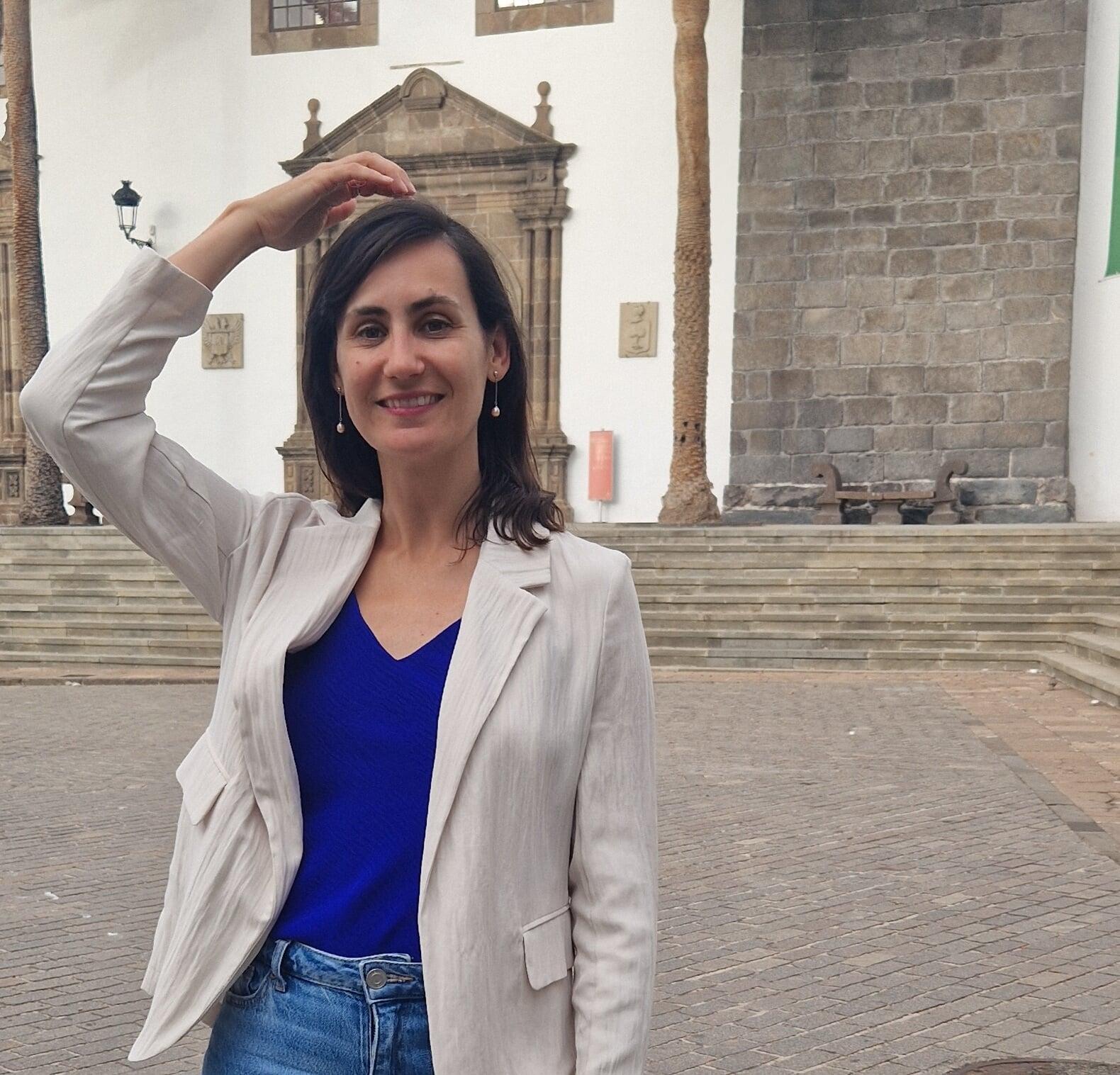

​I am an EFT tapping therapist living a mobile lifestyle

I am Brazilian and moved permanently to the United Kingdom in 2010. In 2023, I began living a more nomadic lifestyle.


Even though these choices were intentional and exciting, they still brought emotional challenges - identity shifts, cultural adaptation and moments of uncertainty about where I belonged.

So I truly understand the experience of building a life across different places.

A few years ago, I discovered EFT and started using it personally. The impact surprised me - especially how quickly it helped with emotional regulation, integration of experiences and letting go of past stress.

That experience inspired me to train professionally so I could help others access the same tools.

Today, I offer online EFT tapping therapy sessions for expats, nomads and people living internationally, helping them navigate the emotional side of a mobile lifestyle.

Making sense of who you are becoming

Living abroad or travelling frequently can bring powerful personal growth - but it can also raise questions about identity, belonging and direction. Therapy offers a safe space to explore these changes and integrate the different versions of yourself, so you can feel more grounded and aligned while living a mobile life.