
Blog 10: Tapping FAQ part 1

26.02.26 10:27 AM

Q&A about EFT tapping and its effectiveness

EFT tapping was developed by Gary Craig in the early 1990s and, even though it has become increasingly popular because of its simplicity and effectiveness, many people still haven’t heard of this therapy modality.

This blog is dedicated to answering some of the most common questions about EFT tapping in a short and easy-to-read way.
The questions are divided into two blog articles. In this first part, we focus on general questions and on how effective tapping is.
 If you have any questions that are not listed below, feel free to send them through the contact form

Questions about tapping and its effectiveness

EFT tapping is often described as part of the fourth wave of therapy. This wave focuses on human flourishing, wellbeing and growth - rather than on only reducing symptoms. It also recognises the interaction between mind, body and energy systems.

General

What is tapping therapy?

Emotional Freedom Techniques (EFT) was created by Gary Craig in the early 1990s as a simplified version of the method Thought Field Therapy developed by Roger Callahan.  

EFT is based on the same principles used in acupuncture, where specific meridian points are stimulated. In tapping, this is done by gently tapping with the fingertips on points on the face and upper body.

This stimulation helps release energetic blockages and sends calming signals to the brain. Research and clinical practice show that tapping can produce energetic, chemical, electrical, neurological and emotional changes.

How does EFT tapping work?

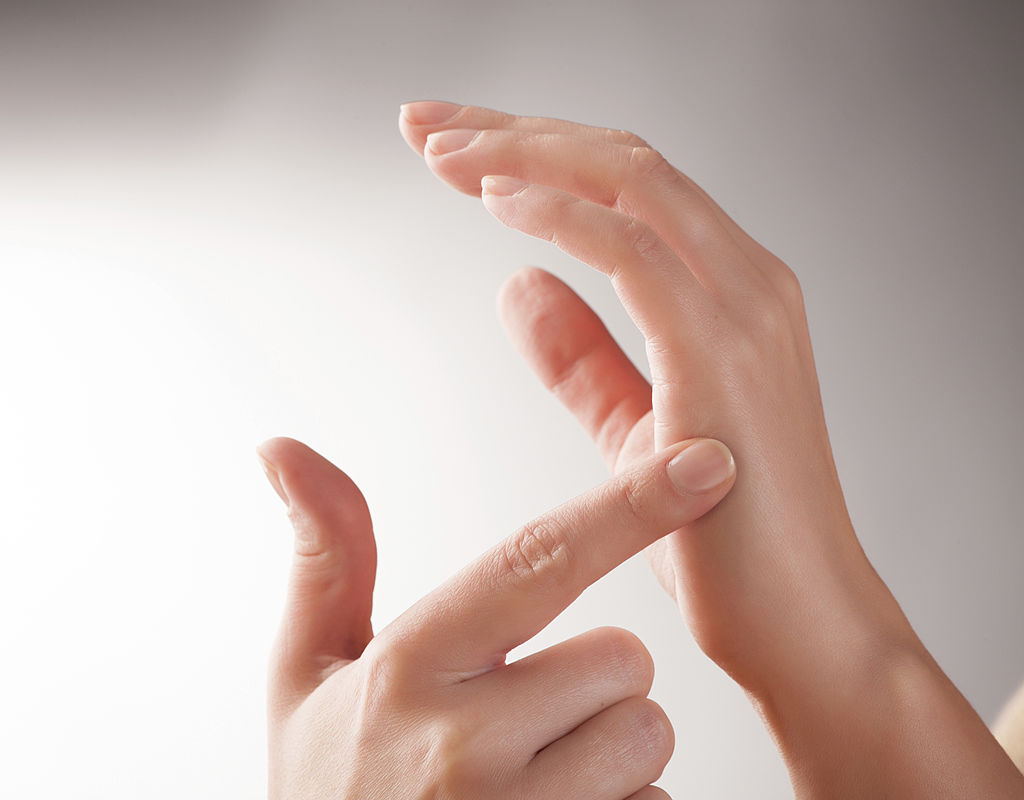
Besides the karate chop point on the hand, there are eight main tapping points across the face and upper body.

These points are tapped in sequence while emotions, sensations or memories are gently and safely brought to awareness.


While tapping, the brain and body receive signals that it is safe in the present moment and that there is no longer an immediate threat associated with the experience being explored. In simple terms, tapping helps reduce the emotional charge of an event - even though the memory itself remains part of your history. 


This is where the name Emotional Freedom Techniques comes from.

Is tapping therapy real?

Yes - and very much so. 

EFT is a well-established therapy modality supported by more than 300 research studies, including fMRI research, gene-expression studies and large-scale real-world data from millions of users worldwide.

Personally, I have used tapping in my daily life for many years and have experienced its impact first-hand. I trained in this field because I genuinely wanted to help others experience the same benefits. It is a simple, gentle and powerful tool that can be used anywhere, at any time.

Is EFT scientifically proven? Is Tapping Therapy scientifically backed?

Yes. There are more than 300 published studies, including fMRI research, gene-expression research and large-scale outcome data.              

The evidence spans areas such as nervous system regulation, neuroplasticity and epigenetics.

One of the reasons EFT is so effective is that it combines elements of cognitive approaches (working with thoughts, emotions and behaviour) with somatic stimulation (tapping on the body). This helps the mind and body settle together, creating a calmer and more grounded state.

What does EFT stand for?

EFT stands for Emotional Freedom Techniques.
It refers to a group of techniques designed to reduce or release the emotional charge connected to past, present or anticipated future experiences.

Who created EFT tapping?

EFT was created by Gary Craig, and was derived from the method Thought Field Therapy, developed by Roger Callahan.

Is EFT the same as tapping therapy?

Yes. Emotional Freedom Techniques and tapping therapy refer to the same method.
It is worth noting that the abbreviation EFT is also used for Emotion-Focused Therapy, which is a different therapeutic approach.

How is EFT different from traditional therapy? Tapping vs Traditional Therapy - what’s the difference?

Although tapping includes elements found in traditional talking therapies - such as verbal processing and awareness of thoughts and behaviour - there are some important differences.

Primary mechanism: 
Traditional therapy (including CBT and other talk-based approaches) mainly works through conversation, reflection and cognitive restructuring. 
EFT, on top of that, also uses direct stimulation of acupressure points on the body.

Somatic involvement: 
In traditional therapy, the body is usually not directly involved.
In tapping, the body plays a central role, as the fingertips stimulate meridian points and help regulate the nervous system.

Focus: 
Traditional therapy often involves deeper analysis and narrative exploration of a problem. 
Tapping offers a more direct way of lowering stress responses and desensitising emotionally charged memories.

Self-help: 
One of my favourite aspects of EFT is that it can be used as a self-support tool. While working with a trained practitioner is recommended for deeper or more complex experiences, tapping can be safely used on a daily basis for stress, emotional regulation and grounding.

Speed: 
Traditional therapy is effective, but symptom reduction may take longer.
Research suggests that EFT can often produce faster emotional and physiological shifts.

Is EFT considered alternative medicine?

EFT is usually classified as a complementary or alternative therapy. It does not involve medication.

Is EFT safe?

Yes. EFT is considered safe.

Physically, tapping is very gentle and can be done sitting, standing or lying down.
Emotionally, EFT aims to process memories and emotions in a gradual and non-overwhelming way. There are specific approaches within EFT - such as the Tearless Trauma technique - designed to minimise emotional distress.

Can tapping help trauma?

Yes. EFT can be a very supportive tool for trauma-related work.
  • It helps to calm the nervous system by lowering stress responses and reducing cortisol levels.
  • It reduces the risk of re-traumatisation by approaching memories in a gentle and contained way.
  • It can help reshape how emotionally charged memories are stored and accessed by the brain.
There are several studies showing positive outcomes for a wide range of traumatic experiences.

Is tapping safe during pregnancy?

Yes. EFT is a gentle and non-invasive technique and is considered safe during pregnancy.
As with any wellbeing practice, it is always recommended to consult your healthcare professional - especially if you have a high-risk pregnancy or medical complications.

Effectiveness

Does EFT tapping really work?

Yes - tapping really does work.

Research shows that EFT can:

How effective is tapping therapy? Is EFT backed by research?

In 2017, the Acupuncture Evidence Project reviewed more than 13,000 studies and 2,500 systematic reviews across 122 medical and psychological conditions.              
Only five conditions were rated as having no evidence of effect.
EFT was found to be effective for 117 conditions, highlighting its broad potential impact across physical and emotional health.

How long does EFT take to work? How many sessions of EFT do I need? Can EFT work immediately?

EFT can begin working immediately, as the tapping sends calming signals to the brain - including to the amygdala - helping the body move out of a stress response.

The number of sessions you may need depends on what you would like to work on and how complex the issue is.

Research suggests that EFT can produce faster improvements compared to some other approaches. In one study, 90% of participants receiving tapping showed improvement, compared to 63% in a CBT group. Only three tapping sessions were required before anxiety levels reduced, while an average of fifteen sessions were needed in the CBT group.              

What are the success rates of EFT?

Out of more than 600 recognised psychotherapy modalities, energy psychology - the field in which EFT sits - ranks within the top 10%.
There are over 320 published papers, including international and non-English peer-reviewed studies. 99% percentage of studies which indicate effectiveness of tapping. 

Ready to benefit from EFT therapy?

If you feel curious about EFT tapping and would like to experience how it can support you personally, I’d be very happy to work with you. 

I offer online EFT sessions for people who want to feel calmer, more grounded and clearer in themselves while their life keeps evolving.