
Questions about the practical side of tapping therapy sessions
What a session is like
What happens during an EFT session?
In a typical EFT session, your therapist will first invite you to share the topic you would like to work on.
If you have already been working together, the topic may naturally emerge from the flow of the previous sessions.
You will then be asked to rate the intensity of the issue using a SUDs scale (Subjective Units of Distress) - from 0 to 10, where 0 means no emotional charge and 10 means very intense.
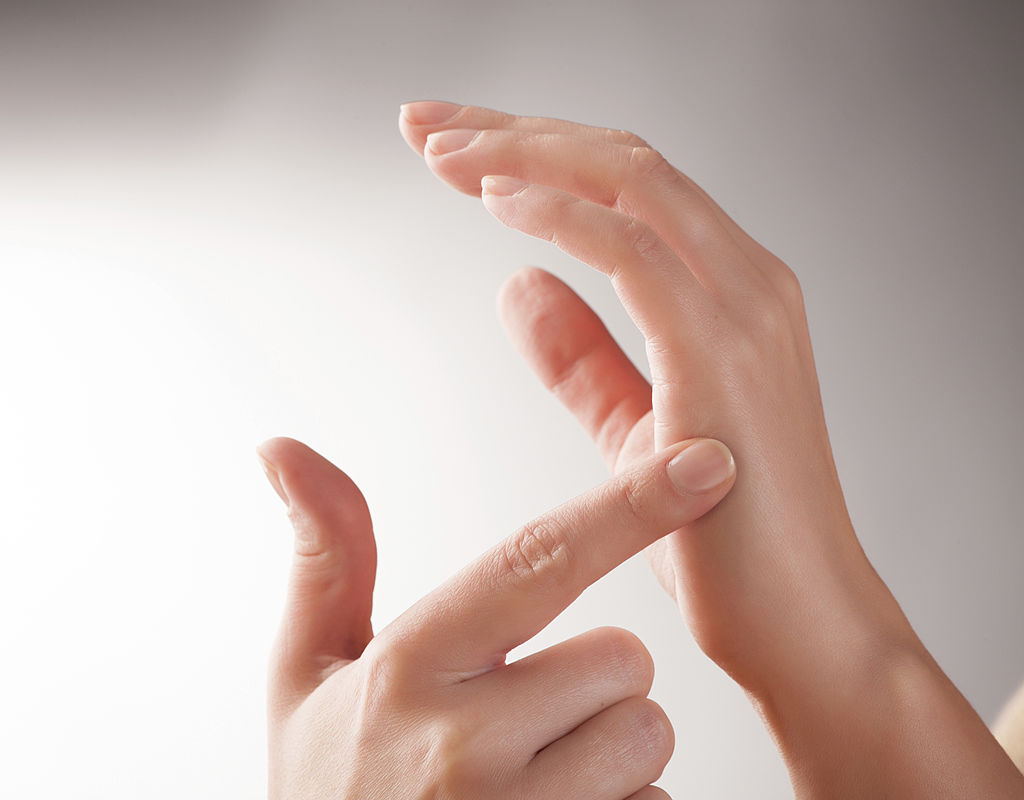
You will start tapping on the issue, beginning with the karate-chop point on the hand and then moving through the tapping points on the face and upper body. While tapping, you gently focus on what you are feeling, allowing the emotional charge connected to the topic to soften and release.
Many EFT practitioners are also trained in additional therapeutic approaches and may integrate elements of these into their work.
Personally, alongside EFT, I am also trained in NLP and Time Line Therapy, and I bring this broader knowledge to support and complement the EFT process.
What should I expect in my first tapping session?
Your first EFT session usually includes a longer initial conversation. This allows your therapist to understand your background, your current situation and what you would like support with.
You do not need to prepare anything in advance. Simply come as you are and be as open and honest as you feel comfortable. The more clearly your experience is shared, the easier it is to support you in a meaningful way.
Do I have to talk about my trauma in detail?
No.
For EFT to be effective, you do not need to describe traumatic experiences in detail. In fact, depending on the level of emotional charge, it is often not recommended to go into detailed storytelling.
EFT is a gentle approach that allows emotional stress linked to memories, situations or events to be processed safely. There are specific techniques designed to keep you emotionally at a comfortable distance from the event, while still reducing its impact.
Do I tap myself or does the practitioner tap me?
In most sessions, the practitioner taps on themselves while guiding you, and you tap on your own body at the same time.
What if I don’t feel anything during tapping?
That is completely fine.
There is no 'right' way to experience emotional work. EFT works both somatically (through tapping on the body) and cognitively (through thoughts and emotional awareness). Even if you do not notice clear shifts during a session, your nervous system and emotional responses may still be changing beneath the surface.
It is also common for physical responses to occur during tapping, such as yawning, burping, feeling warm or cold, or noticing tingling sensations. These are normal reactions during emotional and physiological regulation.
What if I feel emotional during tapping?
How long is a tapping therapy session? How long are online EFT sessions?
How often should I do EFT?
Online sessions
Does EFT work online? How do online EFT sessions work?
Is online tapping therapy effective? Is online tapping as effective as in-person?
Yes.
Research shows that online therapy can be just as effective as in-person therapy, and this also applies to EFT.
Studies indicate that treatment outcomes are comparable whether sessions are delivered face-to-face or online.
What do I need for an online session?
It is important to:
- have a stable internet connection,
- be in a private and comfortable space where you feel safe to speak and tap,
- and have a glass of water nearby, as staying hydrated supports the process.
Is online EFT confidential?
DYI vs working with a practitioner
Can I do EFT on myself?
Yes - and this is one of the aspects I personally love most about EFT.
When I first discovered tapping, I began by reading books, watching videos and using tap-along practices before joining group sessions or starting one-to-one therapy.
I started using tapping in my own daily routine - noticing sensations such as tension in my chest or anxiety about an upcoming meeting, and tapping on those experiences myself.
One well-known self-help process created by Gary Craig is the Personal Peace Procedure, which uses tapping to reduce emotional stress connected to past experiences.
Is self-tapping effective? Can I learn EFT from YouTube?
From my personal experience, self-tapping can be deeply supportive and life-changing - especially when used consistently with everyday stress and emotional challenges.
The benefits tend to accumulate over time, helping the body feel calmer, safer and less reactive.
There are many helpful videos available online. You may wish to explore resources such as The Tapping Solution, EFT International, Brad Yates.
Do I need a certified EFT practitioner?
Working with a trained practitioner can provide an additional sense of safety and emotional support.
If strong emotions or difficult memories arise, a professional can help you move through them gently and at a pace that feels manageable. Practitioners are also trained to work more deeply with the underlying roots of emotional patterns.
What’s the difference between guided EFT and self-tapping?
When you tap on your own, you are responsible for noticing and assessing the emotional charge of what you are working with, and for deciding whether it feels safe to continue independently.
Guided EFT offers professional support if emotions become intense, as well as skilful questioning that can help you explore experiences more deeply. A practitioner may also integrate additional techniques to support the process.
In my sessions, I draw on elements from NLP and Time Line Therapy to support and enrich the EFT work.